During a commemoration meeting on Friday 8 May in Aalten, organized by the Dutch trade unions FNV and CNV and the German trade union DGB, the DGB thanked the Netherlands for taking in German trade unionists before and during the Second World War.
According to Wilco Veldhorst of the FNV Nijmegen region trade union, Aalten was specifically chosen. “In Aalten, a relatively large number of people were in hiding. 1 in 5 families had people in hiding in their homes. During a conversation with my German colleague, he realized that they had never expressed their gratitude for that.” To do so, the Deutsche Gewerkschaftsbund will present the mayor of the Achterhoek village with a plaque to thank people who offered shelter to German people in hiding.
Antoon Stapelkamp remembered
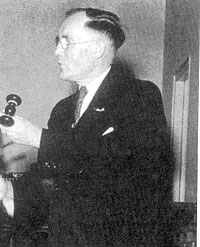
During the memorial meeting, former Aalte resident Antoon Stapelkamp (1886-1960) was remembered by the director of the CNV.
Stapelkamp worked in the horn industry for more than 20 years (at Ten Dam and Manschot in Aalten). In 1914 he was co-founder of the Vereeniging van Christelijke Hoornbewerkers, a local trade union that joined the CNV as an independent organization on March 1 of that year. In 1946 he became a member of the House of Representatives of the ARP.
Read his entire biography here.
‘Achterhoekers think it’s very normal’ It is not clear whether there will also be people in hiding, or people who had people in hiding in their homes, at the day. Veldhorst: “CNV has been able to trace members from that time, not that many people from that time are still alive or have dementia. The Achterhoek folk spirit also plays a role. They all think it’s very normal that they did that.” The plaque will be hung in the National Hiding Museum in Aalten.