
Winterswijk
Aunt Riek
Heleen Kuipers-Rietberg, better known as Aunt Riek, and her husband Piet Kuipers resisted immediately after the German occupation. A conversation between Helena Theodora Kuipers-Rietberg (alias Aunt Riek) and Reverend Fredrik Slomp (alias Frits de Zwerver) after the latter’s sermon in Winterswijk in October 1942 is seen as the moment when the National Organization for Help to People in Hiding (LO) came into being.
A month later, in November 1942, the LO was officially established in Aalten, in the house of resistance fighter ‘Uncle Jan’ Wikkerink. Aunt Riek and her fellow fighters helped Jews, those who refused to work, crashed Allied pilots and others who needed to go into hiding .
At one point, Heleen and Piet have to go into hiding themselves, but they are betrayed and imprisoned. Piet survives the war. Heleen went via camp Vught to the extermination women’s camp Ravensbrück, where she died at the end of December 1944.
Monument in memory
On the Vrijheidsplein in Winterswijk there is a monument in honor of Aunt Riek and the Dutch resistance women. This monument was unveiled on May 4, 1955 by Princess Wilhelmina.
The bronze plaque reads
” H.Th. Kuipers-Rietberg alias Tante Riek took the initiative to establish the National Organization for Help to People in Hiding (the L.O.), which took care of about 300,000 people in hiding during the war years 1940-1945 and therefore contributed a lot to the liberation of our country. Heleen Rietberg was born on 26 May 1893 in Winterswijk and died on 27 December 1944 in the concentration camp in Ravensbrück.”
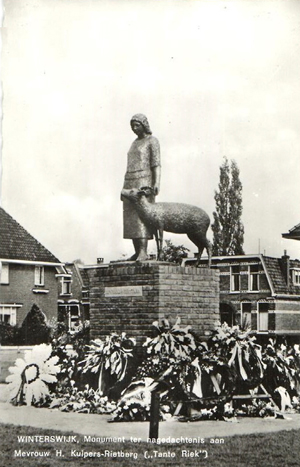
The female figure in the statue symbolizes Mrs. Kuipers-Rietberg. The deer depicts the many people who, like hunted game, found a safe haven with her. In addition, it refers to psalm 42: “The panting deer, escaped from the hunt.”
Synagogue
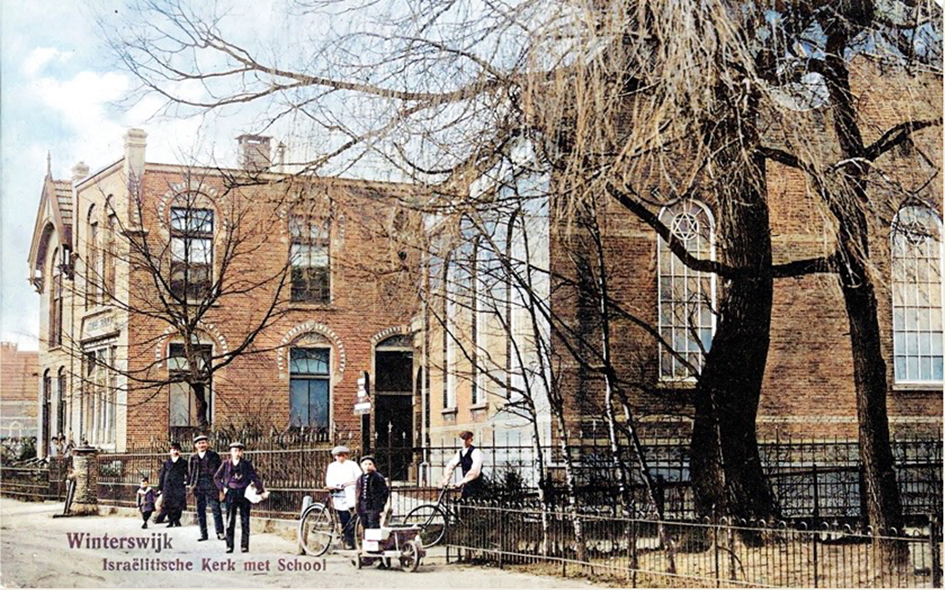
Winterswijk has a beautiful fully furnished synagogue, built in 1889. The synagogue bears witness to the rich Jewish life in Winterswijk. The total complex includes a synagogue, ritual bathhouse, Jewish school + residence and cemetery; this was once the heart of the Jewish community of Winterswijk. The first Jews came to Winterswijk in the mid-1600s, the community grew into one of the largest in the Achterhoek.
During guided tours, exhibitions and activities, visitors learn more about the Jewish faith, Jewish customs and the history of the community.
German and Dutch students can become acquainted with the Jewish religion, customs and traditions under the guidance of experienced guides.
Read more: www.synagogewinterswijk.nl
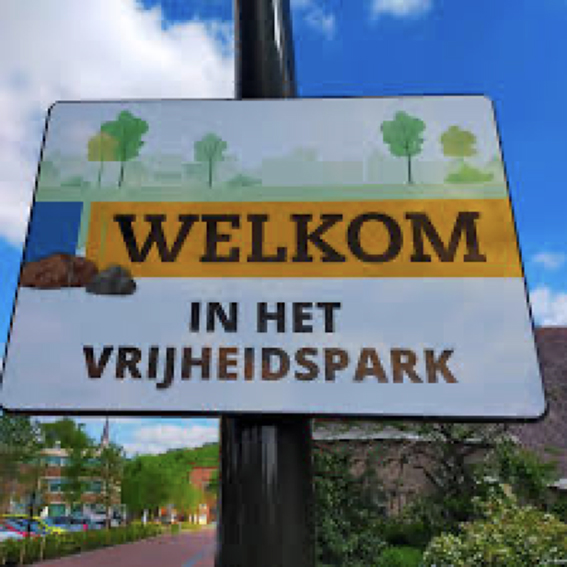
Freedom Park
Freedom Park with monuments to ‘Tante Riek’, among others. Opposite the town hall is also the monument for the war victims. Around it is the monument that commemorates the arrested and murdered Jewish Winterswijkers.
An important story is also the betrayal of three families from Winterswijk (21 people aged 0 to 62) who went into hiding in the Korenburgerveen for months.
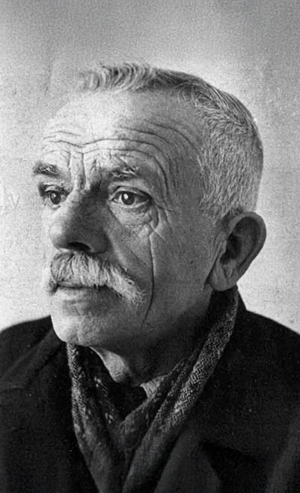
Gradus Kobus
Kobus started as a member of the Social Democratic Workers’ Party (SDAP), but opted for communism in the 1920s. He believed that the Communist Party would be more committed to workers, especially to the poorest among them.
A border shop as a meeting place
Like many border dwellers, Kobus had a small shop where he sold German customers products that were scarce or expensive in Germany, such as coffee, chocolate and tobacco. The store also became a point of contact for illegal activities.
Early warning about the Nazis
Because of his German contacts, Kobus soon realized the danger of the Nazis. From 1933 onwards, he helped communists and socialists who had fled and went into hiding in the Netherlands. This brought him into conflict with both the Dutch and German authorities.
Arrested, released and arrested
againOn March 1, 1941, Kobus was arrested by order of the Sicherheitsdienst (SD). After an interrogation, he was released that same day, but he remained on a list of people who would later be arrested.
Deportation to Neuengamme
On 25 June 1941, Kobus was arrested again, along with hundreds of other communists. Via camp Schoorl and camp Amersfoort he was deported to concentration camp Neuengamme in December 1941.
His last message
On 22 February 1942, Kobus died in Neuengamme. Exactly how he died is unknown. A few days before his death, he was obliged to write in German: “Ich bin gesund und munter” (I am healthy and well).
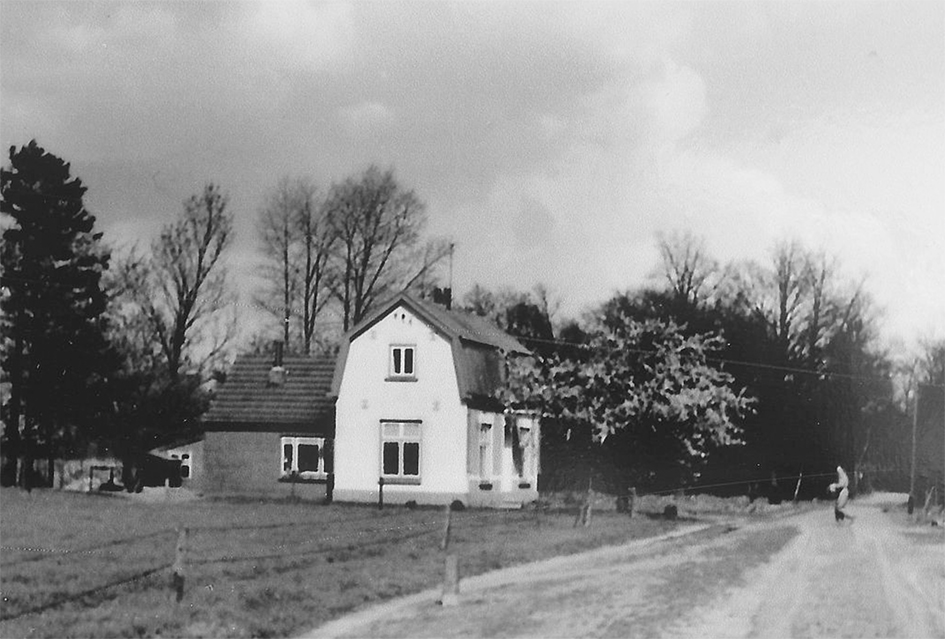
House of Gradus Kobus