
Hendrik Jan Wikkerink (‘Ome Jan’)
Resistance Leader and District Head of the LO Aalten
Hendrik Jan Wikkerink was born on June 30, 1896, in Aalten as the eldest son in a Reformed family. His father, Berend Hendrik Wikkerink, was a mason, and his mother was named Engelina te Boveldt. Together they had three sons and four daughters. On April 7, 1921, he married Dela Gesina Eppink. The couple settled at Patrimoniumstraat 12 in Aalten, where Wikkerink practiced his profession as a contractor.
Resistance during the Second World War
During the Second World War, Wikkerink grew into one of the most important resistance figures in the region. In 1942, his home on the Patrimoniumstraat became the central hub for resistance activities. Together with, among others, ‘Tante Riek’ from Winterswijk, he founded the Landelijke Organisatie voor Hulp aan Onderduikers (LO – National Organization for Assistance to People in Hiding) here.
During the war, Aalten housed the largest number of people in hiding in the Netherlands. At one point, 2,500 people in hiding stayed in the municipality, out of a population of only 13,400. Wikkerink served as the district head of the LO and coordinated the reception of various groups:
- Escaped prisoners of war
- Downed Allied pilots (who were smuggled to England via Belgium)
- Jewish people in hiding
- Dutch citizens who refused to work for the German occupier
The LO arranged hiding addresses, food ration coupons, and logistical support. Mostly farmers provided shelter to those in hiding, with the help and courage of Wikkerink.
A well-known story from this period concerns the Jewish baby Willem Herfstink, son of the Aalten rabbi Jedwab. The couple was in hiding in Lintelo, but the little boy could not stay there. With the knowledge of Ome Jan, the child was left as a “foundling” in front of his house. This staged discovery resulted in Willem being able to receive shelter with the Wikkerink family.
Arrest and Liberation
On October 15, 1944, Wikkerink was arrested in his own home by the Germans, along with two people in hiding. He was imprisoned in the Marechaussee barracks on the Ringweg. That same afternoon, he was liberated by the Aalten Resistance Squad (Knokploeg) and went into hiding with a farmer in Vragender. Two days later, the occupiers vented their anger on the “terrorist’s” home. They threw hand grenades inside, causing a fire to break out. However, the fire brigade managed to limit the damage.
Recognition and Awards
After the liberation, Queen Wilhelmina visited the Wikkerink couple in Aalten on October 24, 1945. She spoke the words to his father: “You have a brave son.”
Wikkerink received several awards for his resistance work:
- Knighthood in the Netherlands
- Medal of Honor from French President Charles de Gaulle
- Medal of Honor from American President Dwight D. Eisenhower
On January 29, 1978, Hendrik Jan Wikkerink and his wife Dela Gesina were recognized by Yad Vashem as ‘Righteous Among the Nations’ for their help to Jewish people in hiding.
After the War
After the liberation, Wikkerink held political positions in Aalten. He became an alderman and deputy mayor of the municipality. His respectful demeanor and deep conviction of values made him an undisputed leading figure, even in the post-war period. On March 30, 1988, a bronze bust of him was unveiled by his eldest daughter, Engelina ter Horst-Wikkerink. This bust is located in the hall of the National Hiding Museum (Nationaal Onderduikmuseum) in Aalten.
Hendrik Jan Wikkerink passed away on January 18, 1981, in Aalten and is buried at the Berkenhove cemetery.
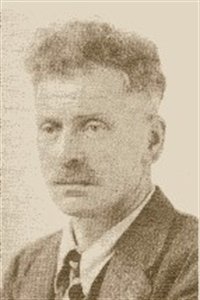
‘Ome Jan’ Wikkerink