
Life in Hiding During the Second World War
During the Second World War, the Netherlands became a country of hidden lives. An estimated 300,000 people found a place of refuge to escape the terror of the German occupier. The phenomenon of ‘going into hiding’ (onderduiken) was not an isolated incident, but a large-scale logistical resistance operation that saved lives and defied the occupier.
What was ‘going into hiding’?
Going into hiding meant evading the authorities by concealing oneself in a secret location. Between 1940 and 1945, this was the only way to survive for many groups:
- Jewish citizens: To escape deportation to extermination camps.
- Young men: Seeking to avoid the Arbeitseinsatz (forced labour).
- Resistance members: Hunted by the Sicherheitsdienst (SD) due to their activities.
- Allied pilots: Who had been shot down over occupied territory.
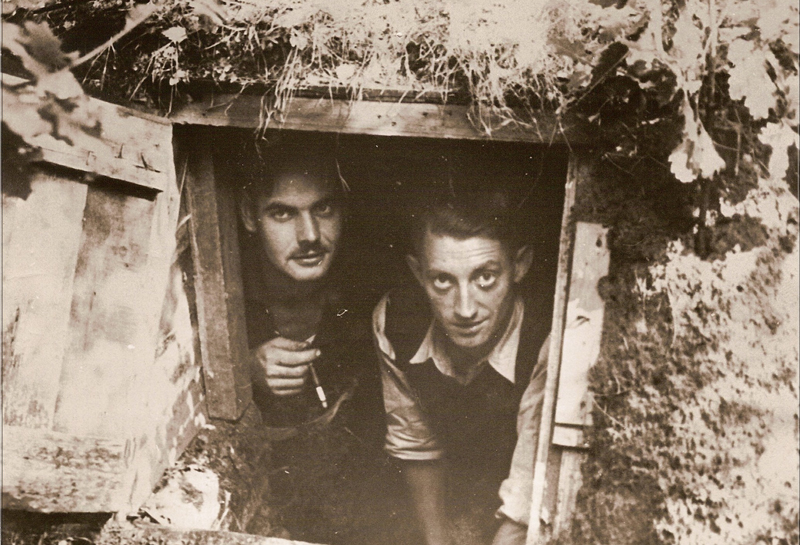
People in hiding Bernard Janssen from Doesburg (left) and Bernard van Eerden from the Weversborg
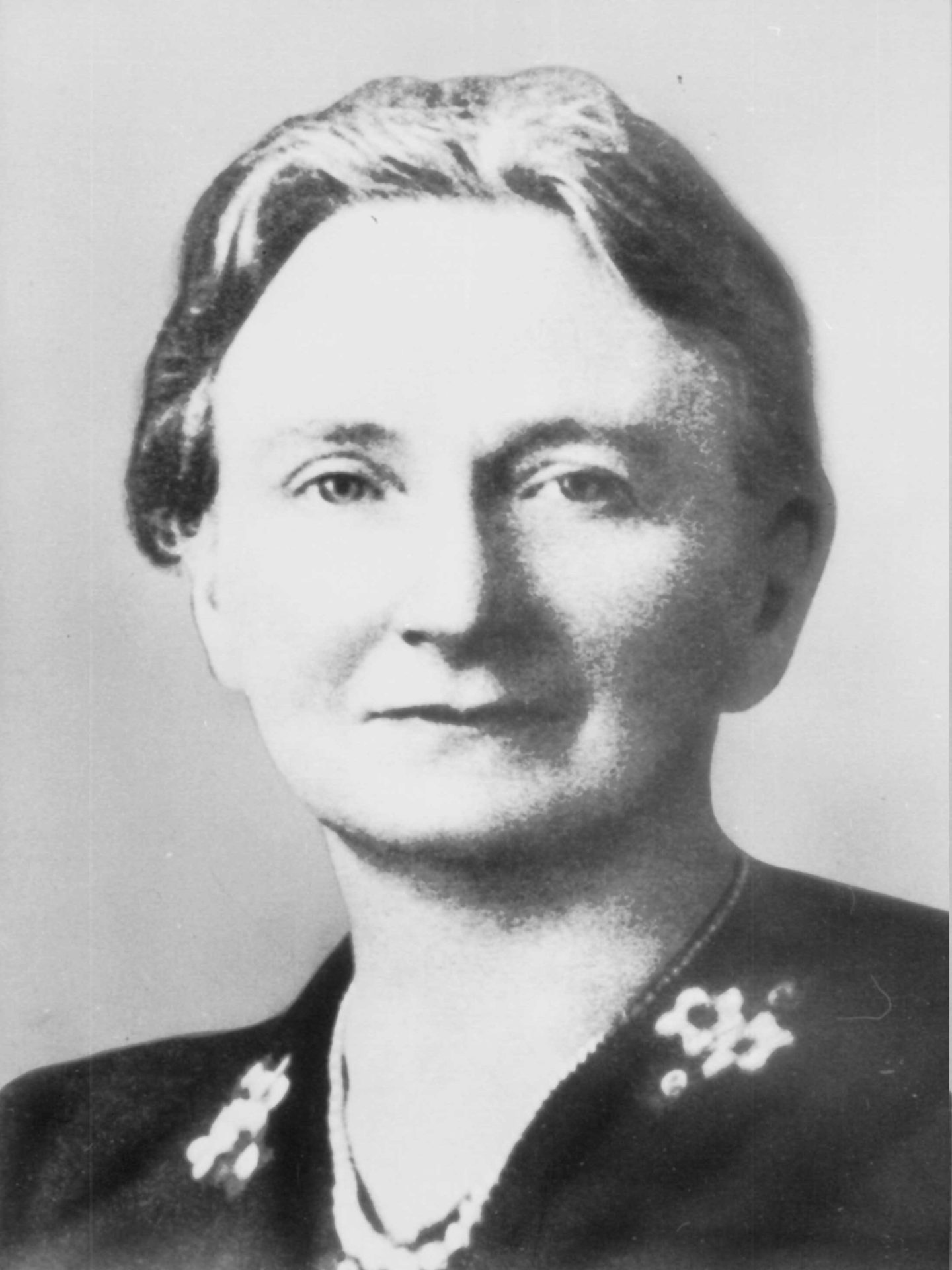
Helena Kuipers-Rietberg (Tante Riek), co-founder of the LO
The Invisible Organisation: Logistics of the Resistance
Behind the front door of every hiding place lay a vast, clandestine organisation. The National Organisation for Aid to People in Hiding (LO) formed the backbone of this network. Without strict logistics, living in hiding was impossible, as every person required daily essentials in a country struggling with scarcity and rationing.
- Food and Rationing: Since people in hiding officially did not exist, they had no right to ration coupons. The resistance, including the National Strike Groups (LKP), conducted raids on distribution offices to obtain the necessary ration cards, master cards, and inserts.
- Identity and Forgery: A forged identity card was a matter of life and death during checks or a razzia (raid). The Identity Card Central (PBC) produced tens of thousands of high-quality forgeries to provide people in hiding with a new, safe identity.
- Funding: The enormous costs of subsistence were covered by the National Support Fund (NSF), often referred to as the ‘banker of the resistance’.
Aalten: A Village of People in Hiding
Although the practice of hiding occurred all across the Netherlands, the village of Aalten in the Achterhoek region holds a unique place. As a border town, the situation here was especially complex. For generations, families on both sides of the border had been socially and economically intertwined. With the arrival of the occupier, the border suddenly shifted from a familiar line of connection to a sharp fault line. Deep personal dilemmas arose: people were suddenly forced into the roles of ‘occupier’ or ‘enemy’.
Despite these tensions, the community showed immense resilience. Aalten hosted the highest percentage of people in hiding in the Netherlands (approximately 2,500 out of 13,000 residents) and also provided shelter to 500 evacuees from Scheveningen. The presence of thousands of extra people was an enormous challenge that forced the entire community to make difficult choices.
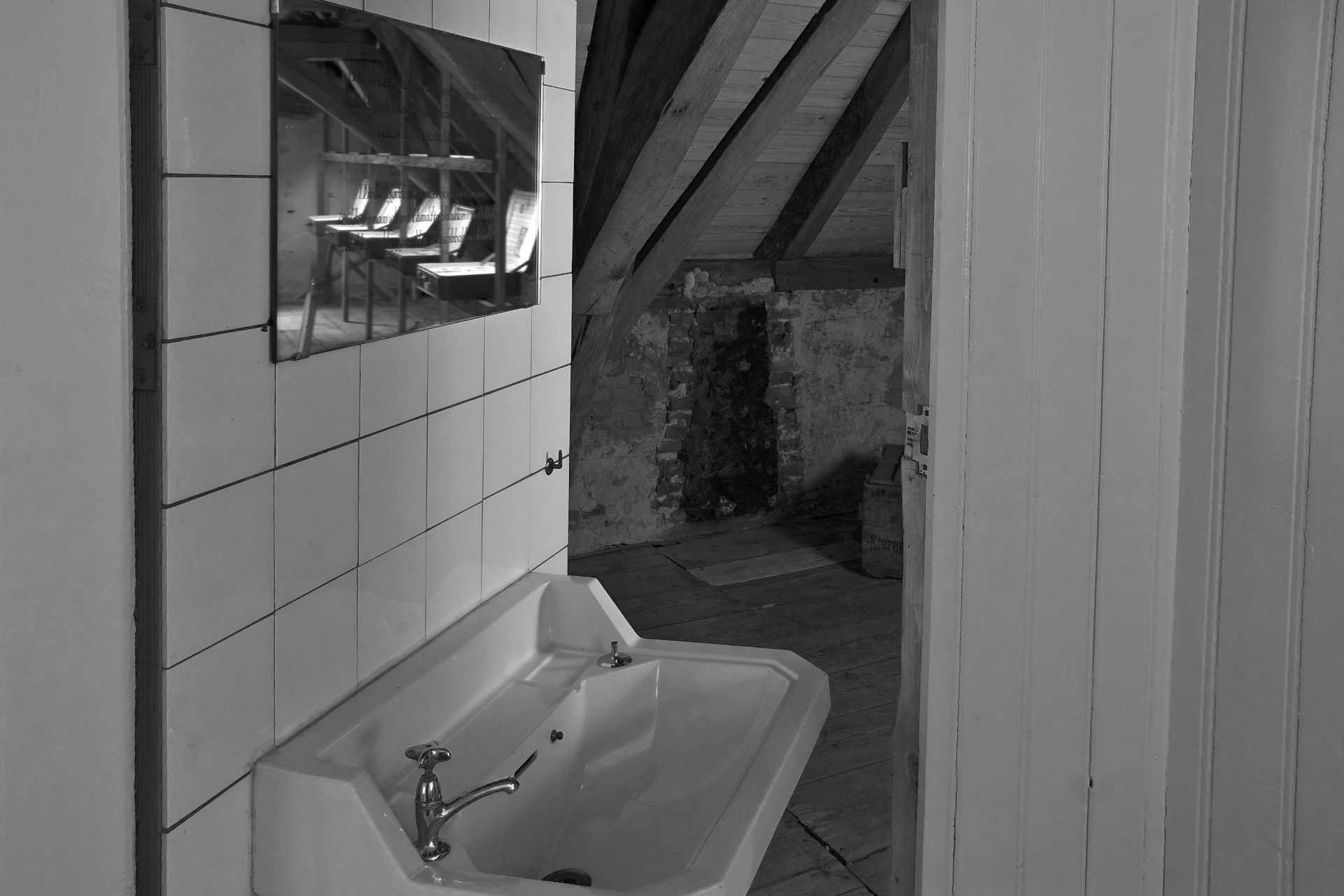
Entrance to the hiding place at Markt 12, Aalten
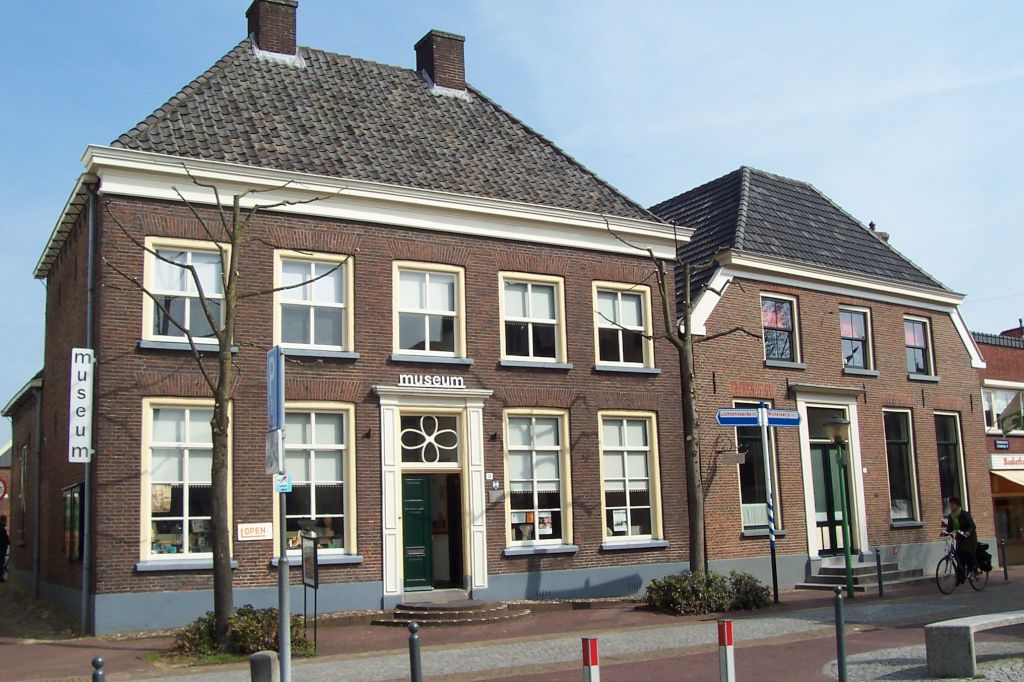
Nationaal Onderduikmuseum, Aalten
The Markt 12 Building
The heart of the Nationaal Onderduikmuseum (‘National Museum of Life in Hiding’) is the building at Markt 12 in Aalten. This address perfectly illustrates the bizarre reality of life during the occupation. While the Kempink family lived there with two young children and hid people in the attic, the front room was requisitioned as an office for the German Ortskommandant. Meanwhile, the vaulted cellar served as a shelter for the entire neighbourhood during bombings.
At this authentic site of remembrance, history can still be read literally from the walls, and the original hiding places remain tangibly present.
Personal Stories of Life in Hiding
The Nationaal Onderduikmuseum tells the grand history of life in hiding and resistance through small, personal accounts. Simple answers to a complex history are avoided; the story of the war is necessary to understand why ordinary people in the Netherlands and Germany made certain choices.
By preserving and researching this history, a connection is made to the democracy and rule of law of today. Visitors of all ages can explore these hidden stories for themselves in the museum, learning about the impact of a razzia on a community and the lessons that still apply today.
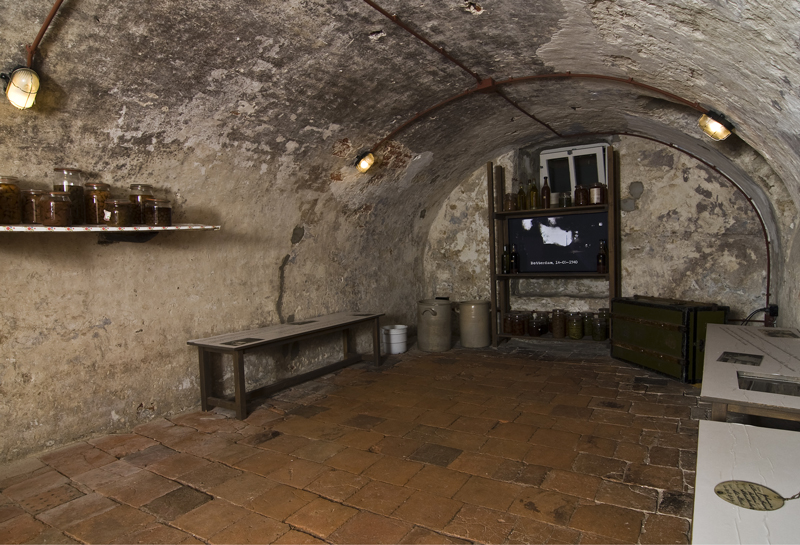
Air-raid shelter at Markt 12 in Aalten