

De Bark
Stronghold of the Resistance during WW2
In the summer of 1944, De Bark, an uninhabited farmhouse located between Aalten and Dinxperlo, became a hiding place for the resistance in the Achterhoek. This location on the Gelkinkweg in De Heurne became the central point of the local resistance group KP-Aalten and provided shelter to a growing number of young people in hiding who wanted to escape the German Arbeitseinsatz, as well as to several downed Allied pilots.
Resistance Activities at De Bark
The resistance group consisted of about forty members who developed various activities from De Bark. The farmhouse functioned not only as a hiding place but also as a coordination center for sabotage plans and assistance to people in hiding in the region. The remote location made the site ideal for these activities, while the proximity to Aalten offered access to local networks and information.
On Sunday morning, February 25, 1945, the guard sounded the alarm when three German soldiers from a land surveying unit paid an unexpected visit to the front house. They found no fighters there, but possibly suspicious objects. After the Germans had left the house, they were detained, disarmed, and imprisoned by resistance members armed with a Sten gun, including Henk van ‘t Lam (Lange Henk). Their colleague, who was waiting for them in an army vehicle, underwent the same treatment.
The Staged Car Accident
The command was then faced with a complex problem: how to keep what happened from the German occupiers and what to do with the four prisoners. An improvised court-martial at De Bark pronounced the death penalty. Executing the prisoners by firing squad and burying them was considered too cumbersome and risky. The final conclusion was that the four would be hanged.
The four corpses were transported by Jan Ket in a car that had been mined with two explosive charges. The vehicle was driven into a tree in a recent bomb crater near Varsseveld. The bodies were placed in plausible positions in the vehicle as well as possible, after which the explosive charges were detonated. Only one charge went off, but the explosion was heavy enough. Ket and his men quickly made their getaway and were sure of their case.
That same evening, a German patrol found the partially burned-out car with the corpses of two Wehrmacht soldiers next to it, still with cords around their legs and welts around their necks. The two other bodies were unrecognizable due to the explosion. Later investigation showed that the rear explosive charge had not gone off due to the force of the front one.
Mass Execution of 46 Prisoners
The reprisal measure of the German occupier was merciless. Forty-six political prisoners were taken from the De Kruisberg camp in Doetinchem and executed by firing squad on the border of Aalten and Wisch, at the Aalten toll. This liquidation was a retaliatory action for the killing of the four German soldiers by the resistance group of De Bark.
In the meantime, the resistance group had left De Bark according to plan and moved to an old agricultural shed on the Dinxperlosestraatweg between Aalten and Dinxperlo. The news that the ruse with the staged car accident had failed and that the German reprisal by liquidating 46 Dutch political prisoners had taken place, did not reach them until many days later. This news first aroused disbelief in them and then a deep impression.
Liberation and Remembrance
Much time for reflection and processing was not granted to the resistance members, because in the meantime, four Allied divisions had crossed the Rhine and were approaching the Achterhoek. On March 30, they made contact for the first time with two Canadian armored vehicles that appeared at the Somsenhuus. The liberation was a fact.
Today, the memory of these events is preserved through the National Hiding Museum (Nationaal Onderduikmuseum) in Aalten and the monument at the Rademakersbroek where the 46 men were executed.
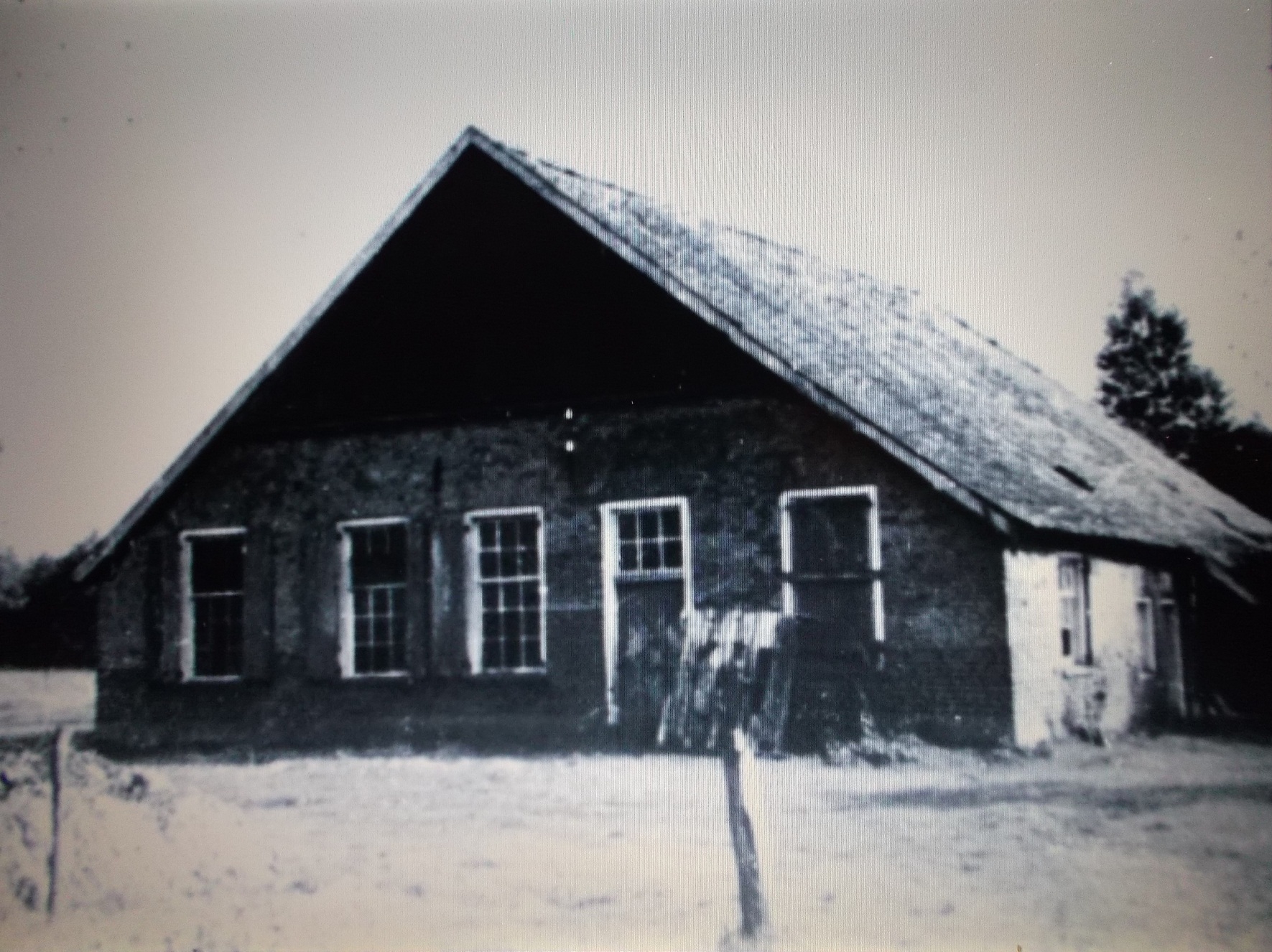
De Bark