

Women as the Pivot of the Resistance
While history books often focus on the armed struggle of men, the Dutch Resistance during the Second World War was, to an essential degree, a women’s affair. At the National Hiding Museum in Aalten, we focus on this ‘invisible’ force. From setting up national networks to managing complex safe houses: without women, the Resistance simply could not have functioned.
Helena Kuipers-Rietberg: Founder of the LO
The heart of the organised national resistance lay in the Achterhoek region. Helena Theodora Kuipers-Rietberg (1893–1944), better known by her resistance name Tante Riek (Auntie Riek), lived in Winterswijk. As early as 1933, she saw the threat of the Nazi regime growing across the nearby border.
She was the driving force behind the foundation of the National Organisation for Aid to People in Hiding (LO). It was Heleen who convinced Reverend Fredrik Slomp (Frits de Zwerver) to turn his sermons into action. Together with Jan Wikkerink (Ome Jan) from Aalten, she built a stronghold that quickly spread across the Netherlands. Heleen paid the ultimate price for her courage; she died in late 1944 in the Ravensbrück concentration camp.
The Jolink Sisters: Unyielding Courage in Varsseveld
An impressive example of regional bravery is the story of the Jolink sisters from Varsseveld. Sisters Minnie and Gerrie Jolink provided numerous hiding places in and around Varsseveld during the war. Hundreds of Jewish people in hiding, including around 80 children and young people, were concealed in approximately 125 locations across Varsseveld and the hamlets of Binnenheurne, Sinderen, Westendorp, and Heelweg.
Remarkably, the entire Jewish community living in the village survived the war, as they were all able to go into hiding in the immediate vicinity. However, the sisters themselves were betrayed and ultimately succumbed to the hardships of the Ravensbrück concentration camp.
Why Women Were Essential for Those in Hiding
From 1943 onwards, the role of women in the Resistance became crucial. While men were being called up en masse for the Arbeitseinsatz (forced labour in Germany)—risking arrest at every checkpoint—women could often move more freely in public. This made them ideal links for:
- Courier Services: Delivering illegal newspapers, ration cards, and forged identity documents.
- Transporting Weapons: Arms were often hidden in prams or under groceries.
- ‘Managing’ the Hiding Places: A safe house was, in effect, a logistical operation. Women ran the households, sourced extra food, and maintained morale, all while the constant threat of betrayal loomed.
“Women often operated in the shadow of their husbands and fathers. After the war, their work largely remained unknown, partly because they considered their contribution to be ‘self-evident’.”
From Ru Paré to the Oversteegen Sisters
The female resistance had many faces. In The Hague, artist Ru Paré used her painting kit to smuggle 52 Jewish children to safe houses. In Haarlem, the young sisters Truus and Freddie Oversteegen, along with Hannie Schaft, chose active, armed resistance.
This diversity of roles—from the caring ‘aunt’ who hid children to the defiant woman committing sabotage—shows that the Resistance was not a monolithic block, but a broad-based civil initiative.
Their motives were diverse: religious conviction, a sense of justice, or simple humanity. These stories challenge us to reflect even today on civil disobedience and the fight against inequality.
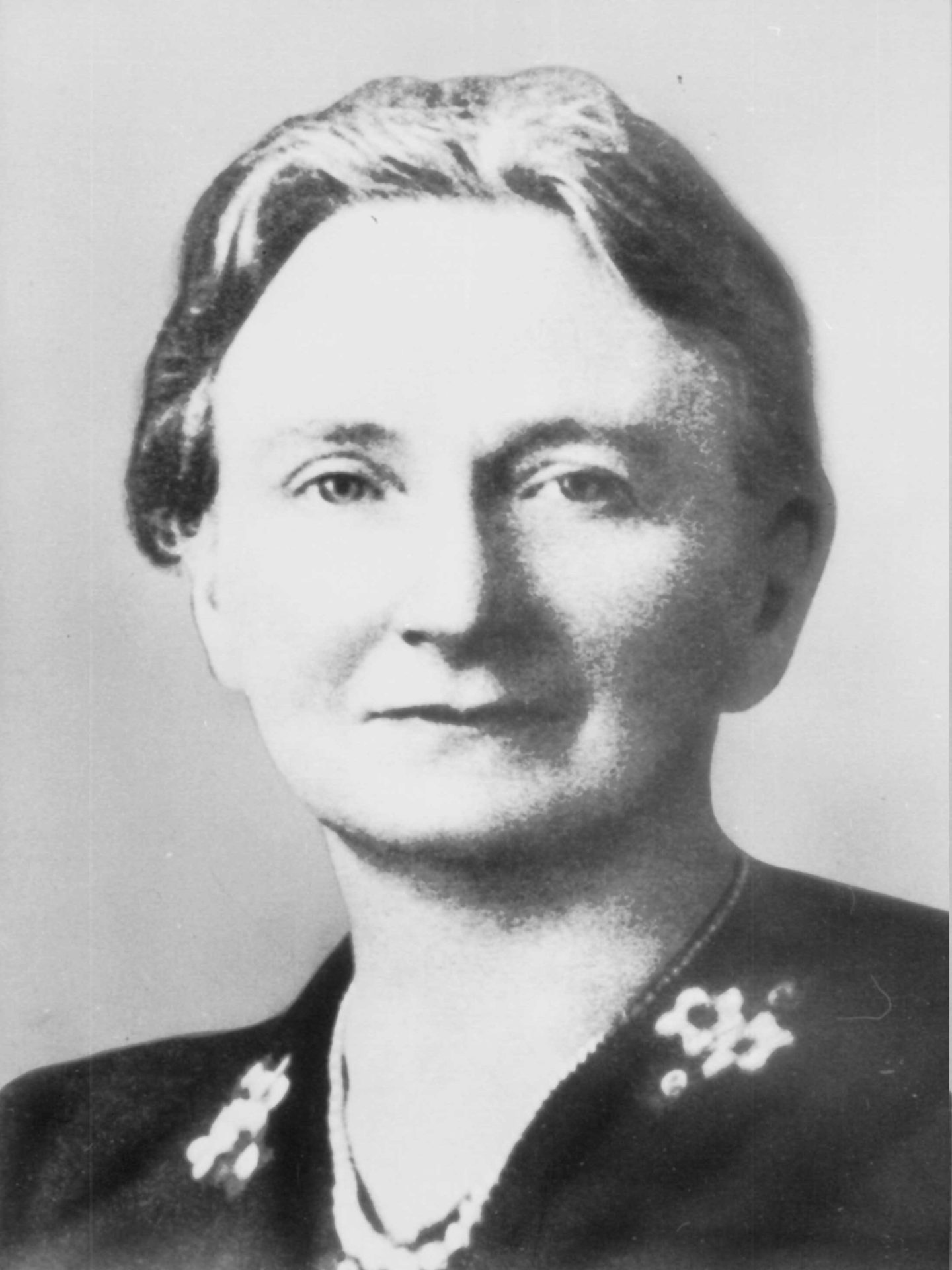
Helena Kuipers-Rietberg (Tante Riek)